Foxtails and Pets: A Seasonal Hazard to Watch Out For


With summer in full swing, many of our clients at Lonsdale Place Veterinary Clinic are enjoying more outdoor adventures with their pets. Whether you're hiking the North Shore trails, visiting off-leash parks, or exploring your own backyard, it’s important to be aware of a common seasonal threat: foxtails. North Vancouver Vet
These dry grass seeds may look harmless, but they can pose serious health risks to dogs and cats—especially during the warm, dry months. North Vancouver Vet
What Are Foxtails?
Foxtails are the barbed seed heads of certain types of wild grasses, such as Hordeum species (wild barley). Found in parks, fields, vacant lots, and along trails throughout the Lower Mainland, these seeds are designed to burrow into the ground to grow—but can just as easily burrow into your pet’s skin, ears, nose, eyes, or even lungs.
Because of their one-way barbed shape, foxtails only move forward once embedded, often causing infections, abscesses, and significant tissue damage.
North Vancouver Vet
Common Foxtail Trouble Spots in Pets
At our clinic, we’ve treated several cases of foxtails in the following areas:
Paws: Lodged between the toes or in paw pads, causing limping, swelling, or obsessive licking.
Ears: Once inside the ear canal, foxtails can cause intense head shaking, ear scratching, and pain.
Nose: Dogs who love to sniff can inhale foxtails, leading to sneezing fits, nasal discharge, or even respiratory infections.
Eyes: A foxtail caught under an eyelid or in the conjunctiva can lead to redness, tearing, or even corneal ulcers.
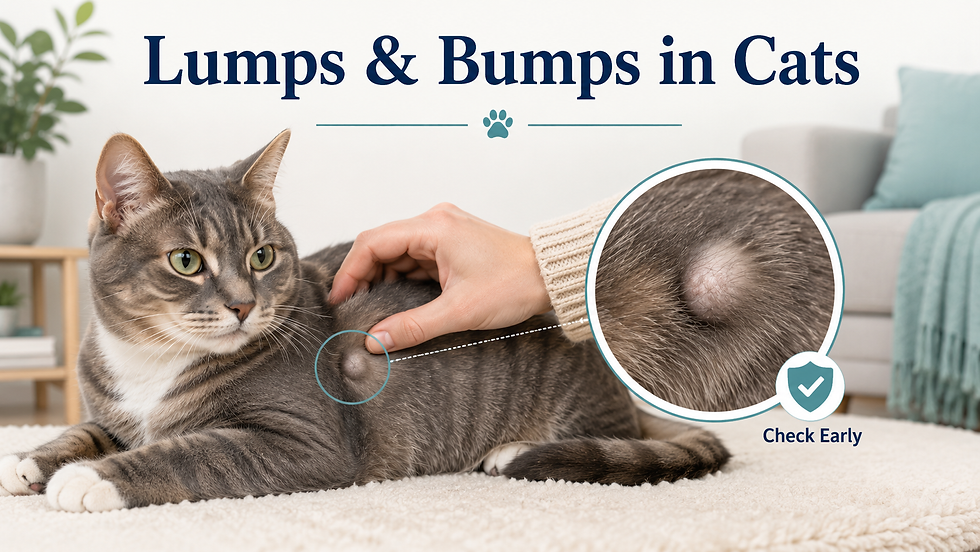
Skin and Fur: Foxtails can pierce through the skin and migrate, forming draining tracts or abscesses. These often appear as mysterious lumps or open wounds.
North Vancouver Vet
What to Watch For
If your pet has been exploring grassy or brushy areas, keep a close eye out for:
Sudden limping or excessive paw licking
Persistent head shaking or ear discomfort
Sneezing or discharge from one nostril
Red or squinting eyes
Swelling, pain, or wounds that aren’t healing
If you notice any of these signs, don’t wait—foxtails won’t work their way out on their own, and the longer they stay in, the worse the damage can become.
North Vancouver Vet
Prevention Tips for Pet Owners
Avoid tall, dry grass, especially in summer and early fall.
Inspect your pet after walks, especially around the paws, ears, eyes, and under the legs.
Keep long-haired pets groomed, and consider trimming fur around vulnerable areas like paws and ears.
Use pet boots or protective gear for off-trail hikes or brushy terrain.
North Vancouver Vet
Have Questions or Concerns?
If you suspect your pet may have encountered a foxtail or you’ve noticed unusual symptoms, give us a call at Lonsdale Place Veterinary Clinic. We’re here to help keep your pets healthy, happy, and safe all season long.